
How to use web3 payment flows to grow revenue in apps and games
December 5 2025
Today, developers and creators are looking for new ways to generate value within crypto apps and games, as onchain features are no longer exclusive to blockchain gaming or DeFi.
At the center of this evolution are web3 payment flows. They allow any app to embed onchain purchases and interactions in a way that feels natural for users and sustainable for developers. When designed well, these flows open new revenue paths, deepen engagement, and strengthen the entire web3 ecosystem.
What is a web3 payment flow?
A web3 payment flow, or also referred to as web3 purchase flow, is the complete journey a user takes to complete an onchain purchase or interaction inside an app or game. The path that connects intent to action and transforms it into a verified onchain result.
A typical flow begins with a web3 wallet login. Once signed in, users can pay with a credit or debit card (fiat), crypto checkout, or stablecoin settlement. If the experience includes digital collectibles or other onchain items, users may interact with in-app marketplace tools that support trading or upgrades.
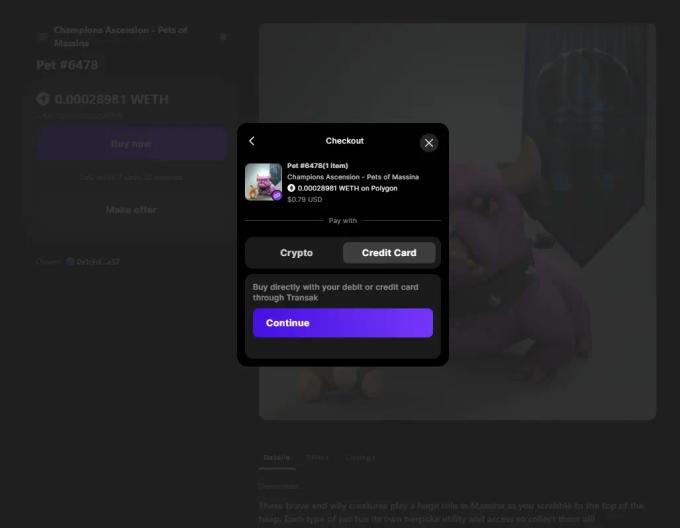
These primary elements enable users to complete a transaction with the simplicity of a standard digital purchase, while also benefiting from onchain transparency and programmability.
What is needed for a web3 payment flow to work?
Behind the scenes, a seamless, secure, and reputable web3 stack is essential for making the journey seamless:
- A user-friendly web3 wallet is embedded directly into the login flow, and with social and email auth options, it removes onboarding friction.
- Smooth payments rely on an infrastructure that abstracts complexity and supports card, crypto, and stablecoin options.
- Automatic gasless transactions and flexible gas sponsorship ensure users can act instantly without needing to understand blockchain mechanics.
- Unified APIs that work across multiple EVM chains enable consistent interaction across networks.
- Fast indexing keeps balances, inventories, and item activity up to date in real-time.
- A complete marketplace engine brings trading, offers, and item discovery into the same cohesive experience.
Together, these tools transform a traditionally complex set of blockchain actions into a simple, intuitive, user-centered journey. The result is a payment flow that feels native to the app while delivering the full power of blockchain technology.
Use cases for web3 payment flows
Social and creator apps
Onchain identity and digital asset ownership provide creators with new ways to monetize content. Examples include:
- Creator platforms where users buy digital merch or limited collectibles directly inside the feed
- Social apps that allow tipping with stablecoin or crypto checkout
- Community hubs where users purchase or earn badges linked to reputation
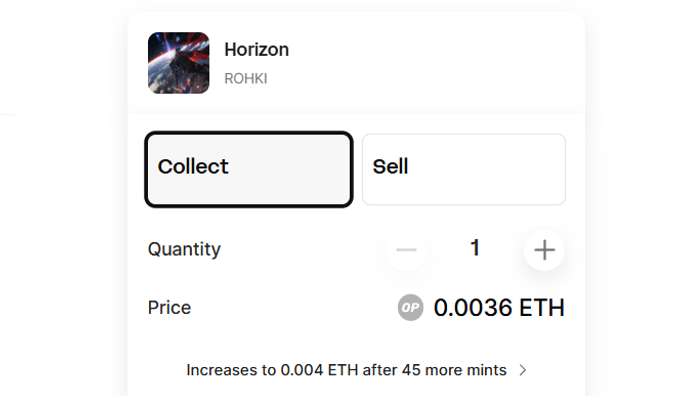
Sound.xyz, for example, is a web3 music platform where artists mint music NFTs and sell directly to fans. Fans can buy music with crypto or fiat, no prior blockchain knowledge needed, and ownership is verifiable onchain.
Loyalty and reward apps
Apps that reward user activity with onchain points or items that can be redeemed or traded.Examples include:
- Retail reward programs where points exist as onchain assets
- Streaming apps that reward engaged viewers with onchain collectibles
- Hospitality apps that issue upgrade tokens or stay rewards as programmable assets

With Nike.SWOOSH, Nike issues digital items and achievement-based collectibles that integrate into user progress and brand engagement across apps.
Ticketing and events
Apps that use onchain tickets to verify access, reduce fraud, and unlock new user experiences around real-world events.Examples include:
- Event ticketing apps where tickets are minted as NFTs and scanned at entry
- Music and festival apps that issue collectible passes tied to perks or future rewards
- Conference apps that use wallet-based tickets to manage check-in and attendee benefits
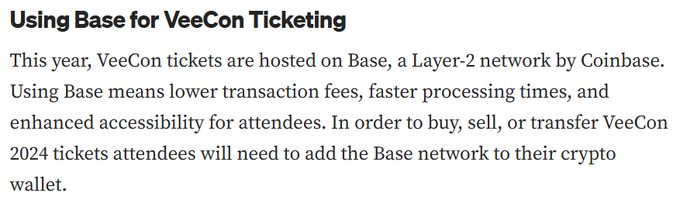
Tickets to VeeCon 2024 were delivered as NFTs, granting access to real-world events based on onchain ownership.
How integrated web3 platforms like Sequence make generating revenue easier
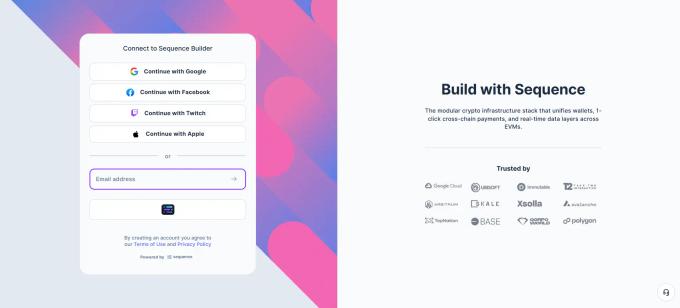
Each part of a web3 payment flow requires careful integration. Doing it manually demands significant blockchain expertise. A unified web3 development platform simplifies every layer so teams can focus on building their product rather than maintaining infrastructure.
Sequence provides:
- User-friendly web3 wallet solutions built directly into the login flow. Wallet onboarding becomes invisible. Users sign in with email or social auth and instantly receive a secure wallet that matches the brand of the app. This removes friction, reduces drop-off, and gives every user a ready-to-use onchain identity from the first session.
- Trails, Sequence’s new universal intents platform for 1-click crypto transactions, makes accepting crypto payments easy. With one integration, developers unlock a universal payment platform where users can pay, swap, fund, or earn with any crypto token, on any EVM-compatible chain, and using any wallet. Trails handles all the complexity (bridging, swapping, gas payment) so users get a seamless 1-click checkout experience.
- Automatic gasless transactions and flexible sponsorships. Users interact without ever thinking about gas. The app or game can sponsor gas on behalf of the user or adjust rules dynamically based on context. Also, thanks to Trails, users may now pay for gas even with native tokens. This keeps the experience fluid and ensures every onchain action feels instant.
- Unified APIs that work across any EVM chain. Developers work with one consistent interface for every network. This removes complexity, supports cross-chain features, and helps teams ship faster without managing fragmented infrastructure.
- Fastest indexing for balances, items, and marketplace activity. Real-time indexing keeps inventories, profiles, currencies, and onchain actions up to date. Apps surface the right state instantly, allowing for smoother UX across gameplay, rewards, and user dashboards. Sequence Indexer is 3X faster than the industry average in retrieving balances and metadata, and comes with out-of-the-box APIs, so no need for custom subgraphs or third-party aggregators.
- A complete marketplace engine for NFTs and other assets. Teams can enable trading, offers, and discovery with a reliable onchain infrastructure. Marketplace features plug directly into the larger ecosystem, so items flow naturally between creation, purchase, and user ownership.
- Tools that support every stage of web3 development, including multi-chain deployment. From early prototyping to production scale, developers gain an integrated toolset that handles wallets, payments, smart contracts, indexing, and multi-chain operations. This gives teams everything needed to launch and grow onchain experiences without becoming blockchain experts.
This gives developers and businesses a complete web3 development stack without needing to assemble it piece by piece. Apps and games gain everything required to launch and scale onchain features with confidence.
Sequence makes building onchain simple. Developers and teams can launch, grow, and monetize apps with unified wallets, 1-click cross-chain transactions, and real-time data, all in a modular and secure stack. No more stitching together fragmented tools or battling poor user flows. Sequence is production-ready infrastructure that helps teams ship faster, onboard more users, and scale confidently. From chains and stablecoins to DeFi and gaming, Sequence powers developers and applications across the EVM ecosystem with billions in transaction volume and millions of users. Trusted by leaders in blockchain, Sequence powers today’s onchain apps and delivers future-proof infrastructure for tomorrow’s breakthroughs. Learn more at sequence.xyz.


Written by

Sequence team
Sequence logoShare this article


Related Posts
Today marks a major milestone: Polygon Labs is acquiring Sequence.
A short guide that explains exactly what gasless transactions are, and why they matter for your web3 experience.
In partnership with KOR Protocol, Sequence and Msquared, Black Mirror's franchise has launched the $MIRROR token and a new web3 experience!

As more applications and protocols move onchain, indexers redefine how dev teams access, organize, and use blockchain data. Learn how!